Thursday, April 30th, 2020 .

The week coronavirus hit the United States, grocery stores around the nation announced a similar plan: They were going to stagger shopping times to minimize the spread of COVID-19 to the sectors of the population thought to be most vulnerable, the elderly and the immune-compromised.

Most stores’ plans restricted an hour or two of morning grocery shopping time to these customers—and in doing so, introduced a new phrase to the lexicon: staggered waiting.

Wait. Isn’t all waiting staggered?

The short answer: nope.

The old-school, American-style queue amounts to a mosh pit of toe-tapping customers. During normal circumstances, that’s not a good thing. It’s frustrating for your guests and it often leads to lost business. During a pandemic, it’s even worse. You don’t want tons of people crowded together, huffing hot air all over each other!

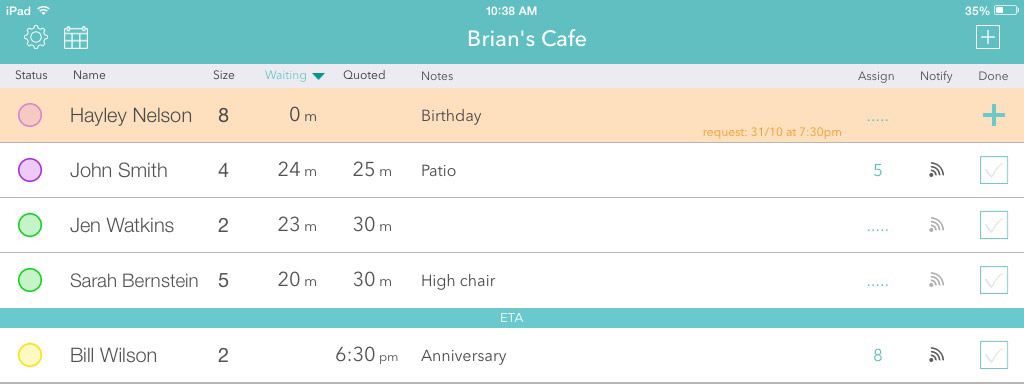
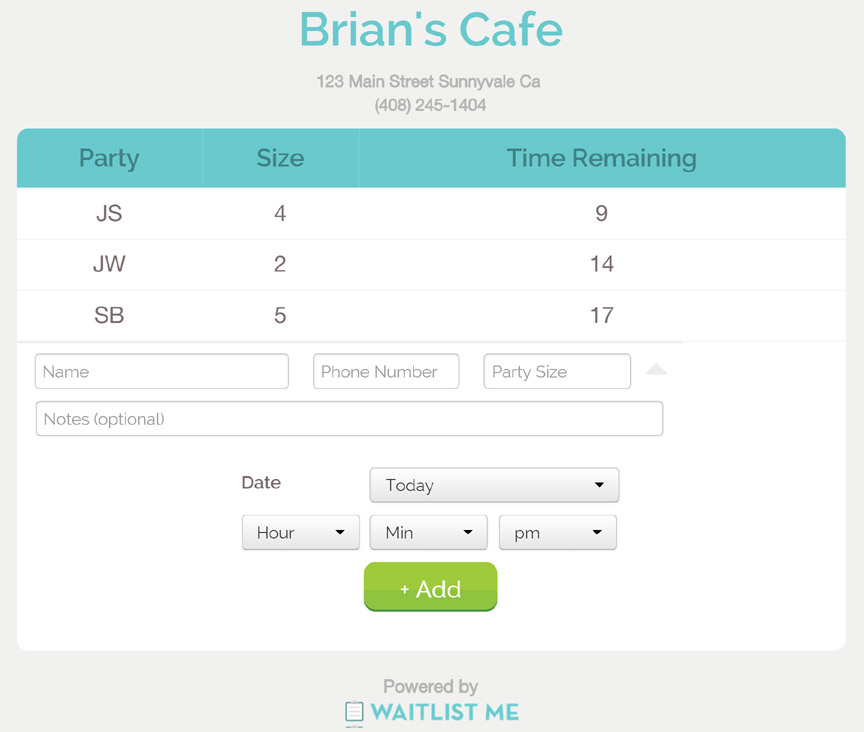
Waitlists and reservation tools, like Waitlist Me, help businesses stagger waiting in a way that’s become quite familiar. For business owners, it helps even out the traffic flow, ensuring excellent customer service and zero employee overwhelm. For customers, it ensures a positive, efficient experience. Win-win!

Grocery stores are using the idea of staggered waiting a bit differently than most of us are used to, but it’s not actually a new idea. In fact, you’ve probably experienced it before.

How billion-dollar businesses use staggered waiting

Disneyland, the pinnacle of efficient queues, uses a staggered waiting system to provide an extra-special experience to its VIP guests, many of whom visit the parks through organizations like Make A Wish. It’s also offered as a premium, upgraded feature for ticketholders.

Another example of staggered waiting happens weekly at many Target stores across the country. The big box retailer has offered sensory-free shopping hours for customers who are sensitive to light, noise, and crowds for years. It’s been a huge success, especially for those on the autism spectrum.

Ways your business can use staggered waiting today

If you’re looking for new ways to control crowds or traffic patterns, staggered waiting is a concept you should explore. Not sure how that might look for your workplace? Creative ideas can come from different places, and you can look around at what others are doing.  Here are a few examples of how businesses can stagger demand to improve workflows and better cope with COVID-19.

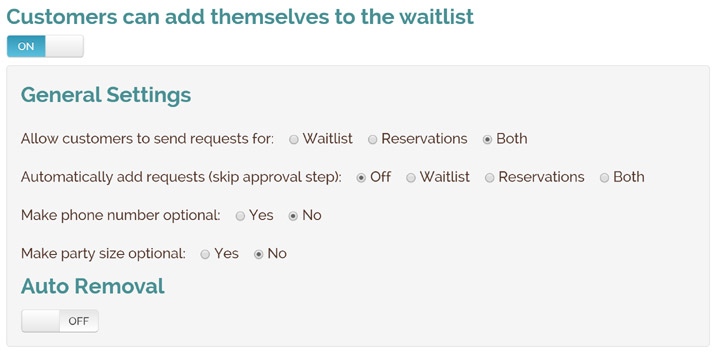
Quick tip: Use Waitlist Me’s custom text notifications to share new waiting policies or instructions with your clients and customers.

– Veterinary office using morning hours for feline appointments and afternoon hours for canine appointments to keep small waiting areas calm.

– Restaurants offering special deals or menu items at different times of the day to encourage people to dine at off-peak hours.

– Tutoring center facilitating study material pick-up staggered by the first letter of students’ last names.

– Auto mechanic offering reverse delivery appointment windows to pick-up cars (and meet with customers) at home rather than at the shop.

– Local organic farmer providing fresh produce home delivery staggered by their customers’ area.

– Doctor’s office splitting patient appointments by background. Immune-compromised and elderly patients are diagnosed car-side, while other patients come inside the office.

– Family-owned pharmacy providing special hours for curbside delivery and in-store pick-up.

Thursday, December 21st, 2017 .

Waiting is a universal problem.  Wherever you are, it is painful to have to wait for your turn at a restaurant, barber shop, store, or other business.  And businesses suffer from lower customer satisfaction and lost revenues when wait experiences are not managed well.

That is why we are happy to announce that Waitlist Me is now available in over 60 countries!  Check out our international plans page to see if it is live in your country.

One of the challenges in offering the service globally is that prices to send SMS text messages in other countries are generally higher than in the US and Canada.  The prices also vary considerably from country to country, and often even by mobile carrier within a country.  We have addressed this by having a flexible system for charging for text messages separately, with pricing for these texts depending on the country.  There is also more control in the Waitlist Me app over when to send confirmation and notification texts, so businesses don’t waste money sending a text that isn’t needed.  Since texts are not included in monthly subscription prices, we have lowered the price for Premium to $10 and Pro to $20 for international plans, and removed the 100 party limit on the Basic free level of features.

In terms of localization, all the customer facing parts of the Waitlist Me service have been translated into 30 languages, so businesses can send out texts and display their public waitlist pages in local languages with even our basic service.  With Premium and Pro they can customize the messaging even more for these and other features.  The Waitlist Me app that businesses use is still in English, but we’ll be fully localizing this in more languages over time.  The nice thing though about the Waitlist Me service is that the core processes of adding, notifying, and checking people off the list are very simple, and don’t require a lot of reading or knowledge of English.


Tuesday, May 8th, 2012 .

million seated waitlist app


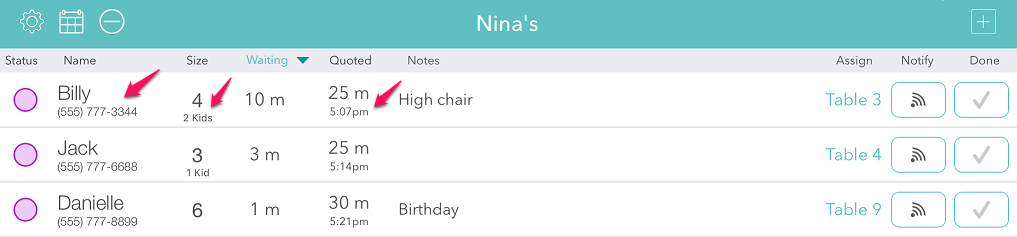
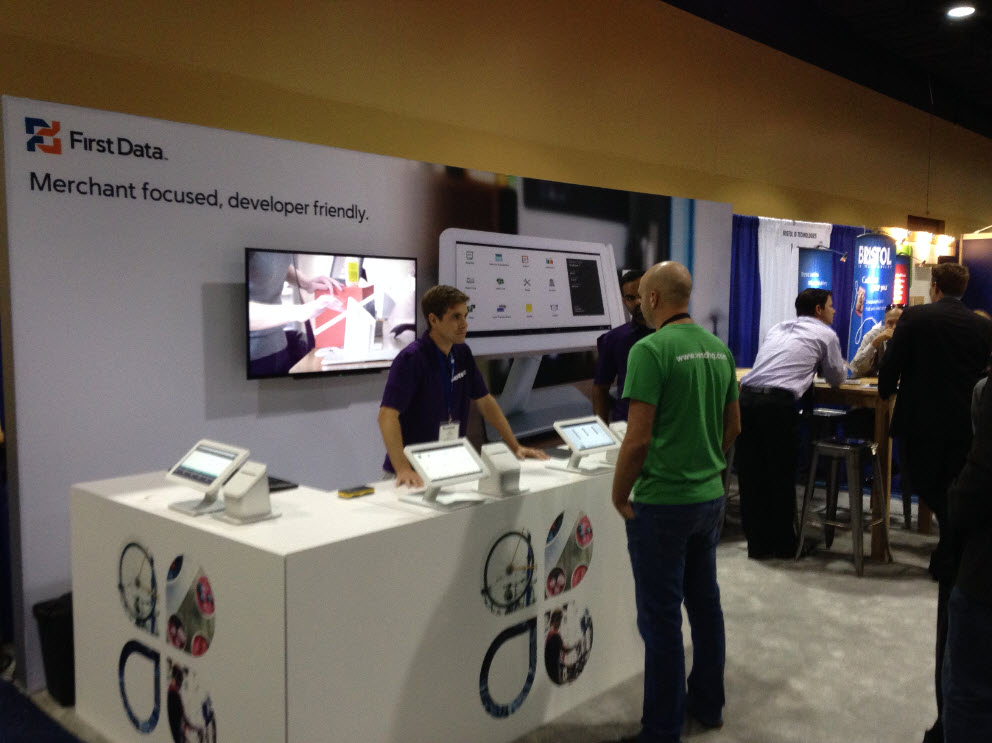
We are here at the National Restaurant Association Show, and what better timing than to hit our one millionth diner seated using the NoshList free waitlist app for iPad that notifies diners via text messaging that their tables are ready. NoshList helps restaurants easily and efficiently manage their waitlist and improves the dining experience by replacing paper lists, microphones and alert buzzers with text messages sent directly to the diner’s cell phone.

“We are thrilled to celebrate our millionth diner seated using NoshList. We are extremely happy with the high rate of adoption by restaurants since our launch a little over two months ago and seating over one million diners in that short time has exceeded our wildest expectations,” said Craig Walker, CEO and founder of Firespotter Labs. “Diners want an easy, convenient way to know when their table is ready and restaurants need an efficient solution that improves the experience for their customer. That is what NoshList delivers.”

NoshList launched in February 2012 to restaurants in San Francisco and has since gone nationwide to independent, multi-unit and casual dining restaurants alike.

“NoshList has provided Umami Burger an efficient and streamlined way of managing our waitlist,” said Jason Berkowitz, Vice President of Hospitality at Umami Burger. “Our patrons appreciate the ease of NoshList’s text messaging when their tables are ready and we appreciate the unlimited free texting and phone calls to patrons.”

Thursday, February 8th, 2018 .

We are happy to announce that our iOS and Android apps are now fully localized in Spanish for customers with plans in over 20 countries where Spanish is the local language.  Now it is even easier for businesses and their employees in Spanish-speaking countries to manage their waitlist and reservations with Waitlist Me.

This added localization follows our international launch in December where we started with the translation of all the customer facing parts of the Waitlist Me service in 30 languages, and we will be translating more parts of our websites into Spanish in the upcoming weeks.

We started with Spanish for a number of reasons, and while doing this initial localization of our service into a foreign language we have put into place a framework for flexibly managing updates to the translations and for plugging in additional languages in the future.

Wednesday, November 14th, 2018 .

It’s a retailer’s dream to boast a line long enough to wrap around a city block. A lot of the promos and products you dream up might even be designed to attract these 6-o’clock-news-worthy waits. Think: Black Friday doorbusters, innovative croissant-donut hybrids, and once-in-a-lifetime bear-stuffing deals.

But the reality? Well, it’s not as dreamy as it seems. In fact, it’s kind of nightmare. The history of long lines is plagued with stampedes, riots, and heat stroke victims. Yikes!

And that’s just for the people who join those long lines. For every customer that’s willing to wait, there are tens to hundreds that won’t be. Think about it this way: What would you wait hours for? What would make you want to camp out on a sidewalk?

If you did it at all, it would have to be for something truly incredible. A dinner at a new-to-the-neighborhood restaurant? Not likely. A shopping spree at a boutique? No way. An after-work drink? Forget it. A pilates class? Never.

How a long line hurts your business

A long line might get you a few dozen customers who are willing to wait in exchange for a first look or a door prize. But at what expense? That line might stretch wayyy down the street, but when hundreds of other passersby see it, they’re going to think that your business is the last place they want to be.

Sure, they might stop and ask what the line is for. Sure, they might talk about your establishment. Most of that conversation may be negative, though. Many of those on-lookers are going to be saying, “Some people waited 3 hours for a burger. How dumb is that?!” rather than: “The line for the best burger in town was 3 hours long yesterday. I’m going to go get one tonight!”

The truth is that long lines alienate customers. They dissuade people from giving you a chance. Potential customers have long memories. They will remember one or two long wait times, and forever associate you with inconvenience. Those customers are going to go somewhere else.

Why? Because…

* They don’t want to hop on the next-cool-thing bandwagon. Some customers instinctually rebel against hype. They’ll opt for a just-as-good competitor, instead. And because they didn’t have to wait, they’ll perceive your rival as being better than you are simply due to that lack of a long line.

* They’re worried the customer service stinks. Long lines can indicate efficiency problems. Guests encounter them and assume that someone at the front is lollygagging or that you’re understaffed. That’s ding No.-1 against your reputation for a top-notch guest experience.

* They aren’t interested in hanging out in a crowd. Some folks love feeling like sardines packed in a tin, but most don’t. A crowded business creates unnecessary pressure on the customer to hurry through their experience, regardless of whether they’re shopping, eating, or doing something else.

* They’re concerned something is wrong. Have you run out of the product you’re running a promo for? Are the cash registers down? Are you understaffed? Is this whole waiting-in-a-crazy-long-line thing all going to be for naught? Cue customer anxiety.

A better alternative

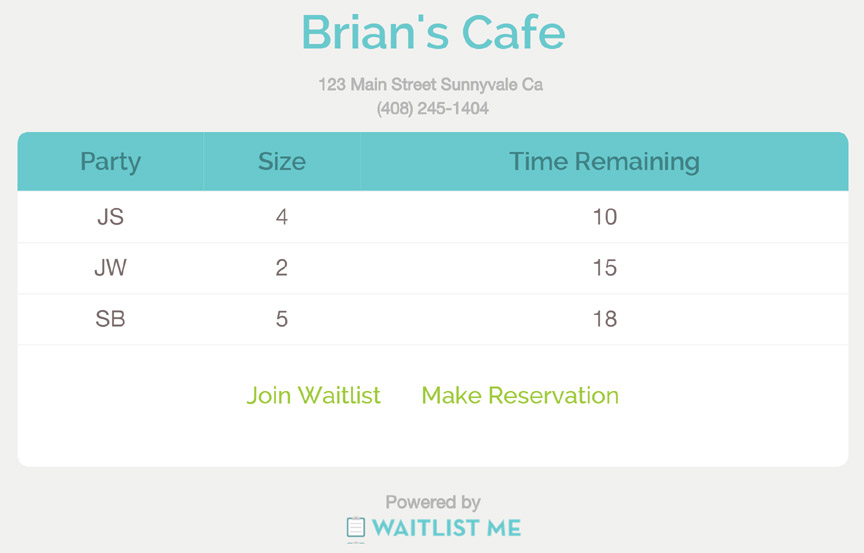
It is great when you have something everyone wants, but you don’t have to make them suffer in a long crazy line to get it. Waitlist Me makes it easy to manage a line virtually rather than physically. Add people to your waitlist so they know they have a spot in line and have visibility into the wait process, while allowing them the flexibility to walk around or do something else while they wait. Then simply press a button to notify them with a text message when it is their term. It is simple, and effective.